

Women, Peace, and Security

What is Women, Peace, and Security?

In 2000, the United Nations Security Council adopted Resolution 1325, marking the origin of what is now known as the Women, Peace, and Security (WPS) agenda.

The resolution acknowledges that women and girls face distinct and unique risks during conflict but are overwhelmingly excluded from decision-making. It called for women's full participation in peace-building and peacekeeping processes to prevent, end, and recover from conflict. As of 2025, 116 countries have adopted National Action Plans outlining how they intend to implement the pillars of the WPS agenda.

From Resolution 1325 to local action

  1. 2000

    Resolution 1325

    The Security Council unanimously adopts Resolution 1325, the founding text of the Women, Peace and Security agenda.

  2. 2005

    The first National Action Plan

    Denmark becomes the first country to adopt a National Action Plan on Women, Peace and Security.

  3. 2008

    Resolution 1820

    Recognizes sexual violence as a tactic of war and a threat to international peace and security.

  4. 2009

    Resolutions 1888 and 1889

    Create a Special Representative on sexual violence in conflict and call for indicators to track implementation.

  5. 2010

    Resolution 1960

    Establishes monitoring and reporting arrangements for conflict-related sexual violence.

  6. 2013

    Resolutions 2106 and 2122

    Strengthen accountability for sexual violence and place women's leadership at the center of peace processes.

  7. 2015

    Resolution 2242

    Links the agenda to countering terrorism and violent extremism and creates an Informal Experts Group.

  8. 2019

    Resolutions 2467 and 2493

    Call for a survivor-centered approach and urge full implementation of the agenda.

  9. 2025

    25 years of WPS

    As of 2025, 116 countries have adopted National Action Plans outlining how they intend to implement the agenda.

  10. Today

    Local plans and ordinances

    Cities, districts and provinces adopt their own plans, ordinances and resolutions. The lab tracks them in the Global Policy Tracker.

Four Pillars of WPS

Prevention

Preventing conflict before it starts is the most desirable outcome. Where gender equality is stronger, conflict is less likely to take hold, therefore, advancing gender equality should be a long term priority for preventing larger-scale conflict. In practice, this could be through culture-changing workshops, prosecuting those who threaten women's safety and gender equality, and strengthening women's rights under federal law.

Protection

Women and girls face unique risks during conflict, so special measures must be taken to ensure their safety, especially from sexual and gender-based violence. This pillar calls for protecting women and girls in emergency and humanitarian situations, including refugee camps, both in the immediate crisis and in its aftermath. In practice, this could be resources like shelters and hotlines to support women at risk.

Participation

This pillar calls for the inclusion of women in decision-making and peace processes at every level, from local councils to national, regional, and international institutions. When participation is equal and meaningful, peace and security processes become more inclusive, more legitimate, and durable as a result. Women's involvement in policy and decision-making also makes conflict less likely to arise.

Relief and Recovery

After conflict, rebuilding requires attention to the specific needs of women and girls. Women-led organizations play a vital role to help ensure safe access to food, water, and hygiene resources to women and their families, so they are often times the primary caretakers of the family and elders. This pillar also calls for recourse, reparations, and resources for victims and survivors.

WPS at the Local Level

When state governments fail to adopt WPS policy, such as states that have not written National Action Plans (NAPs), localities often become the primary actors addressing these issues.

Grassroots civil society organizations and municipal governments step in through informal advocacy and local ordinances to fill the vacuum. Even where federal WPS policy does exist, it frequently proves insufficient due to underfunding or only being symbolically adopted.

Overarching federal security policies often operate as rigid, generic frameworks that fail to capture the grounded realities of women's daily lives. National Action Plans (NAPs) primarily focus on formal diplomacy, leaving critical gaps in addressing everyday issues affecting women's security such as localized gender-based violence, political inclusion, and resource access. Local-level WPS policies bridge these gaps by bringing peace frameworks directly into municipal and district spaces. Local governments and grassroots groups possess direct insight into their communities, permitting local initiatives, such as Local Action Plans (LAPs) or municipal ordinances, to cater to location-specific needs rather than applying a single, generic policy across an entire state.

Addressing Everyday Realities

State-level NAPs often suffer from top-down bureaucratization and a narrow focus on formal military or diplomatic institutions. Localizing WPS re-centers security around everyday human security by addressing concrete daily challenges such as economic precarity, housing, healthcare access, land rights, and protection from localized gender-based violence. By moving past generic, state-wide frameworks, local implementation directly responds to location-specific needs and socio-economic struggles.
Local WPS Mechanisms

Communities operationalize WPS through tailored policy tools and subnational governance structures. District and municipal LAPs translate national goals into coordinated district-level services and community conflict prevention. Similarly, municipal legislation and local ordinances establish legal mandates to advance gender equality and women's participation in peace building and peace keeping. Additionally, community safety platforms and policing forums can create direct spaces for residents to resolve localized security issues.

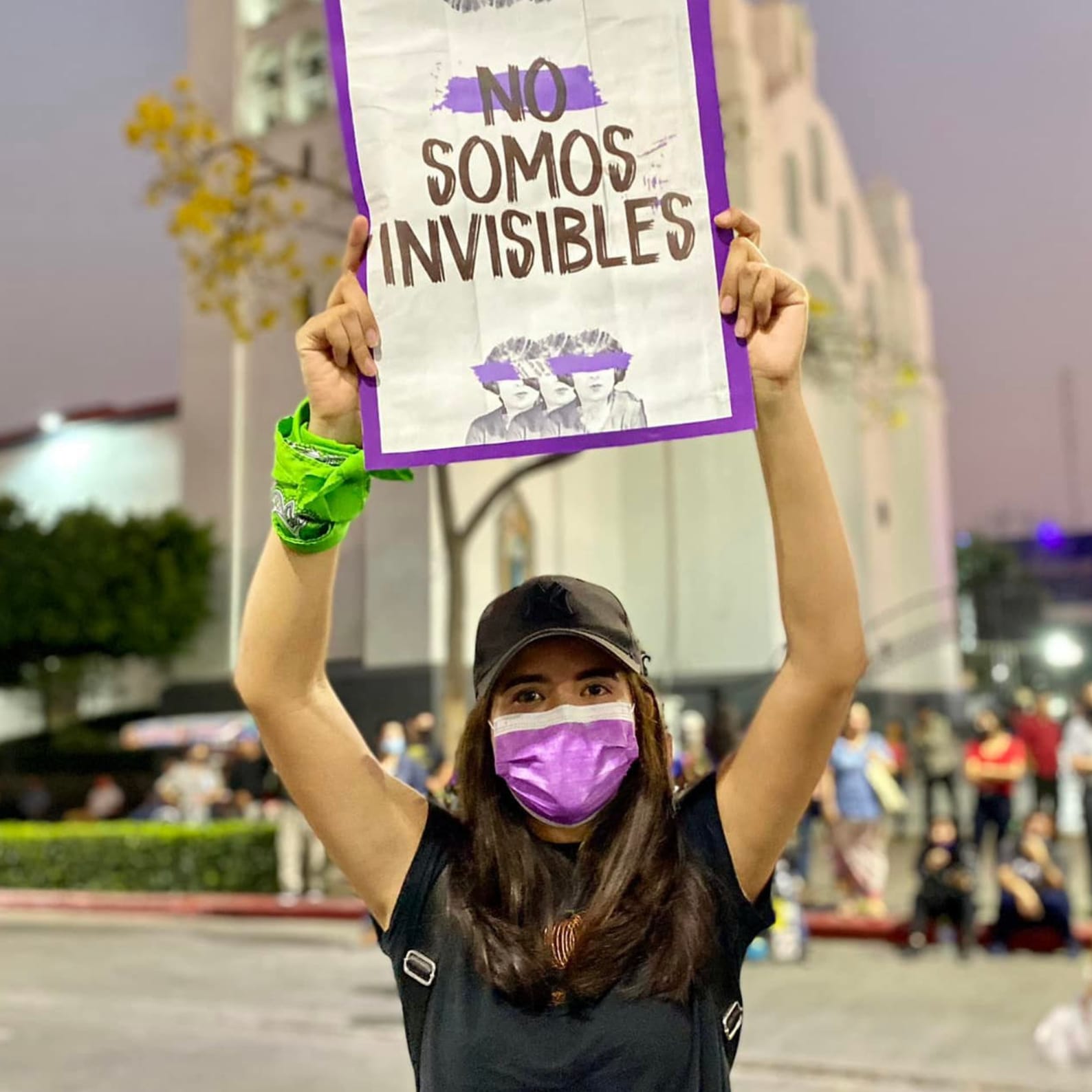
A protester in a purple mask holding a sign that reads No somos invisibles.

Grassroots Agency and Peace Building

Where federal and local governments fall short in implementing WPS policy, civil society organizations step in to fill the gap. Because CSOs are made up of women and community members who live the everyday realities of their town or city, they're often better positioned to connect authentically with their communities and drive real change. Civil society plays a key role in supporting local women and linking them together, building networks of WPS work that extend across cities.

See local policies on the map